28 October 2026
How Advertising Audio Production Shapes Listener Loyalty
Presented by @advertisingaudioproductionway
I have spent the better part of two decades standing in front of a console, headphones on, chasing that moment when a sound lands exactly right. It is a rare thing to hear a commercial spot in the wild and know, before the credits roll, that you were in the room for it. But the truth is, most listeners never think about the audio. They feel it. And that feeling, fleeting as it may be, is what makes advertising audio production so deceptively difficult to get right.
The medium has changed more in the last ten years than in the thirty before them. A spot that once played only on television now runs on YouTube before a how-to video, on Spotify between two indie playlists, and on a Netflix ad tier that demands the same emotional punch in a shorter window. Each platform reshapes the listening environment. A mix that sounds punchy on a home theatre system can turn muddy on a phone speaker sitting in a car cupholder. So you learn to listen in layers, checking the low end on earbuds and the mid-range on a laptop, then walking across the room to hear how the voiceover holds up from a distance. That is not a technical checkbox. It is a discipline born from years of hearing your own mistakes.
The Studio as a Toolbox, Not a Temple
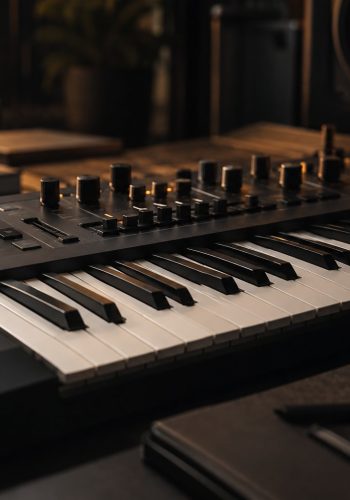
Walk into any serious mix stage in Los Angeles and you will find the same furniture: a large console, near-field monitors, a Pro Tools rig running the latest version, and a rack of outboard gear that someone has spent years curating. But the hardware is only half the story. The real work happens in the decisions made before a fader is touched. When a director sends over a rough cut of a commercial spot, the first question is not about equalisation. It is about what the sound needs to do. Does it sell a feeling, an idea, a product? That answer determines everything else.
Sound design in this context is rarely about spectacle. It is about texture and pace. A car door closing with the right weight. The rustle of fabric as an A-list actor turns their head. The subtle hum of a refrigerator that tells you the kitchen is cold without a single line of dialogue. These details disappear into the background when they work, and they ruin the suspension of disbelief when they do not. I have spent a full day rebuilding a single Foley footstep because the original recording had a heel strike that sounded like a horse on pavement. The client never noticed the change. They just said the spot felt more grounded. That is the goal.

Voice Casting and the Human Element
Voiceover is where advertising audio production becomes personal. A voice carries history, accent, class, and intent. A single word read with a rising inflection can turn a statement into a question. A breath taken at the wrong moment can make a promise sound like a threat. I have sat through casting sessions where the difference between a good take and a great one was the way the actor said the word "you." That is not hyperbole. It is the craft.
Working with SAG-AFTRA talent adds a layer of professionalism that shows up in the room. These actors know how to work a microphone, how to find the pocket in a line, and how to take direction without losing the thread of the performance. But the logistics can be tricky. When a talent is on location or in another city, we rely on Source-Connect Now to run a live session from the mix stage. The old ISDN lines did the same job for decades, but the latency was always a problem. Source-Connect changed that. Now I can sit in Los Angeles and talk to a voice actor in New York in real time, hear them through the same monitors I use for playback, and cut a punch-in without missing a beat. The technology fades into the background, which is exactly what it should do.
Sonic Branding and the Earcon
Every brand wants to own a sound. The Netflix thud. The McDonald's "ba da ba ba ba." The Intel chime. These are earcons, sonic logos that trigger recognition in under a second. Building one requires more than a catchy melody. It requires understanding the brand's emotional territory and distilling it into a gesture that feels inevitable. I have worked on sonic branding projects where the client wanted something "modern but timeless," which usually means they do not know what they want yet. The job then becomes translating that vague desire into a set of concrete choices. Major or minor key. Acoustic or synthetic. A rising figure or a falling one. Each choice closes a door and opens another.
The best earcons are simple enough to hum but rich enough to hold up in a full mix. They need to survive a thirty-second spot where the voiceover, sound design, and music are all competing for the same frequency range. That is where the mix stage becomes a laboratory. You carve out space for the earcon in the mid-range, duck the music under it, and let it sit on top of the noise floor like a signature. If it works, the listener does not notice the craft. They just feel like they know the brand.
ADR and the Art of the Invisible Fix
Not every line recorded on set survives the edit. A performance might be perfect visually but have a sibilance issue or a room tone that does not match the rest of the scene. That is when we call for ADR. The actor comes into the studio, watches the picture, and re-records the line while matching the original performance as closely as possible. It sounds straightforward. It is not. The actor has to hit the same timing, the same breath, the same emotional colour, all while standing in a dead-quiet room instead of a live set. A good ADR session feels like a conversation between the actor and the engineer. A bad one feels like a forced retake that never quite sits right.
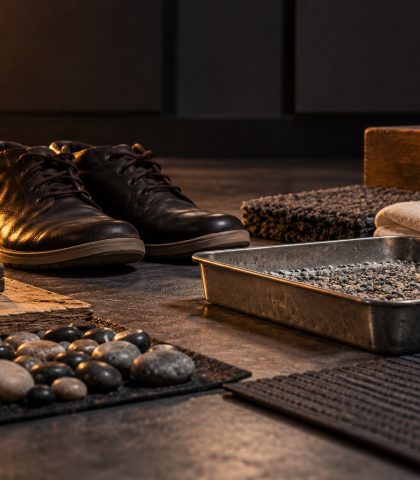
I have sat through ADR sessions where the actor could not match their own delivery from three months earlier. The solution was to record the line a few times, then comp the best syllables from different takes into a single performance. That kind of editing is invisible to the audience, but it saves a spot that would otherwise feel disjointed. The same principle applies to Foley. A Foley artist creates footsteps, cloth movement, and prop sounds that sync to the picture. It is a physical craft, full of props and surfaces and microphones placed at odd angles. The result is sound that feels real because it was produced by a real body, not a sample library. There is a reason the best Foley artists are booked months in advance. Their work is irreplaceable.
Platforms Dictate the Mix
A commercial spot that runs on Netflix needs a different mix than one that runs on Spotify. Netflix has a loudness standard that penalises peaks and rewards dynamic range. Spotify compresses everything to a consistent level, which means a mix that sounds punchy in the studio can come out flat on a playlist. The trick is to prepare multiple mixes from the same session, each tailored to the delivery spec. This adds time and cost, but it is the only way to ensure the spot sounds intentional on every platform.
I have delivered the same spot in six different versions: stereo for broadcast, 5.1 for cinema, LoRo for digital, a voiceover-only version for radio, a music-and-effects version for international dubbing, and a thirty-second edit that strips the sound design to its bones. Each version requires a separate pass through the mix stage, and each pass reveals something new about the material. The process is repetitive, but it builds a depth of understanding that shows up in the final product.
That is what advertising audio production looks like when it is done right. It is not flashy. It is not glamorous. It is a series of small, careful decisions made over the course of weeks, with a team of people who care about the difference between a good sound and a great one. The audience will never know the work that went into it, and that is the highest compliment they can pay.